Skip to content



If you grind your teeth at night, you’ve probably wondered whether a bite guard or Botox injections might help.
Bite guards protect your teeth from damage while Botox temporarily relaxes the jaw muscles, but they solve different problems and work best for different situations.
Bite guard vs Botox for teeth grinding: both options can reduce pain and prevent dental damage, yet choosing between them depends on what’s causing it and what symptoms bother you most.
Around 11 to 12 million Americans deal with teeth grinding and jaw clenching, and the treatment options keep growing.
You might see people on social media talking about getting Botox for their jaw pain, while your dentist probably mentioned a custom night guard at your last checkup. The truth is that neither option is automatically better than the other.
Understanding how bite guards and Botox work differently helps you make a choice that fits your specific needs.
Some people need tooth protection first, others need muscle relief, and many benefit from using both treatments together.
This guide breaks down what each option does, how much they cost, and which one might work better for your situation.
Key Takeaways
- Bite guards create a protective barrier between your teeth while Botox weakens the jaw muscles to reduce clenching force
- Night guards typically cost less upfront and last longer than Botox injections, which need to be repeated every three to four months
- The best treatment depends on whether you need tooth protection, muscle relaxation, or both working together
Table of Content
- Understanding Nighttime Teeth Grinding and Its Impact
- Custom Night Guards: How They Protect and When to Use Them
- Botox for Bruxism and TMJ: Mechanism, Benefits, and Considerations
- Comparing Effectiveness: Night Guards vs. Botox for Nighttime Grinding
- Cost, Comfort, and Other Practical Factors
- Frequently Asked Questions
Understanding Nighttime Teeth Grinding and Its Impact
Teeth grinding affects millions of people and can lead to serious dental problems, jaw pain, and disrupted sleep. The condition has multiple causes and produces symptoms that range from mild discomfort to severe damage.
What Is Bruxism?
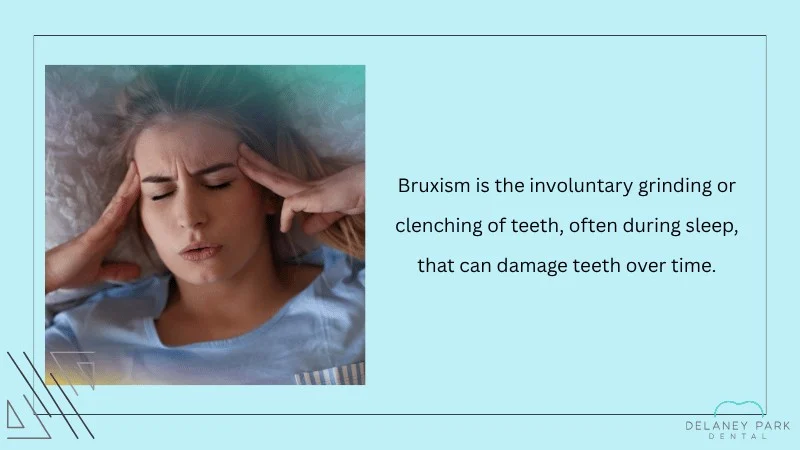
Bruxism is the medical term for grinding or clenching your teeth. It happens when you unconsciously grind, gnash, or clench your teeth, either during the day or while you sleep.
Sleep bruxism is the nighttime version of this condition. You might not even know you’re doing it until someone tells you or you start noticing symptoms.
During sleep, you can apply up to 250 pounds of force on your teeth. That’s enough pressure to cause serious damage over time.
Two main types exist:
- Awake bruxism – Happens during the day when you’re conscious
- Sleep bruxism – Occurs at night while you’re sleeping
Sleep bruxism is considered a sleep-related movement disorder. It often goes unnoticed because you’re not aware of what’s happening while you sleep.
Common Causes of Teeth Grinding
Stress and anxiety are among the most common triggers for bruxism. When you’re dealing with high stress levels, your body can respond by clenching your jaw or grinding your teeth.
Sleep quality plays a big role too. Poor sleep or sleep disorders like sleep apnea can increase teeth grinding episodes.
Other contributing factors include:
- Certain medications, especially some antidepressants
- Caffeine and alcohol consumption
- Smoking or tobacco use
- Family history of bruxism
- Recreational drug use
Your bite alignment can also matter. If your teeth don’t fit together properly, you might be more likely to grind them at night.
Age affects bruxism rates as well. It’s most common in children, adolescents, and young adults, though it can happen at any age.
Symptoms and Risks of Nighttime Clenching
Morning headaches are often the first sign that something’s wrong. These tension headaches occur because your jaw muscles have been working hard all night.
Jaw pain and jaw soreness are common complaints. You might wake up with jaw tightness or jaw fatigue that makes it hard to open your mouth fully.
Facial tension can spread beyond your jaw. Your cheeks, temples, and neck might feel sore or tight.
Physical signs include:
- Enamel wear and tooth wear on the biting surfaces
- Chipped, flattened, or cracked teeth
- Increased tooth sensitivity
- Indentations on your tongue
- Damage to the inside of your cheeks
TMJ dysfunction can develop from chronic teeth clenching. The temporomandibular joint connects your jaw to your skull, and grinding puts extra stress on it.
TMJ symptoms include clicking or popping sounds when you open your mouth, TMJ pain that radiates to your ear, and difficulty chewing. TMJ disorder can significantly impact your daily life.
Dental damage from bruxism isn’t just cosmetic. Severe grinding can wear down your teeth so much that you need crowns, implants, or even root canals.
The sooner you address teeth grinding, the better you can protect your oral health.
Waking up with jaw pain or worn teeth? Contact us to discuss your treatment options.


Custom Night Guards: How They Protect and When to Use Them
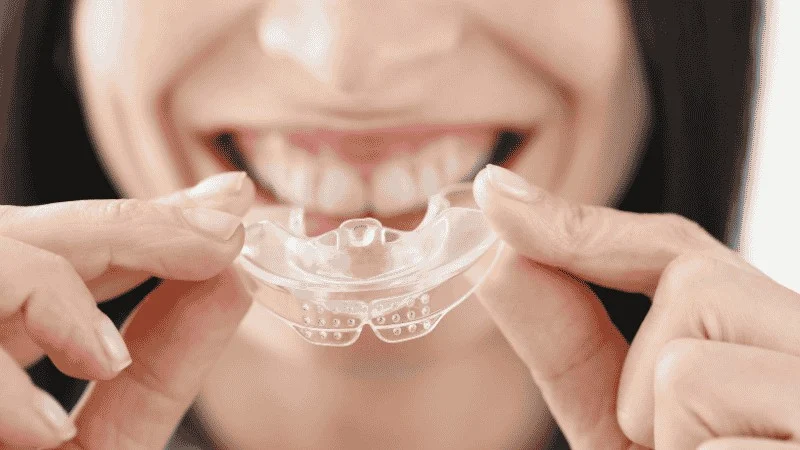
Custom night bite guards create a protective barrier between your upper and lower teeth while repositioning your jaw to reduce grinding force.
These dental appliances distribute pressure evenly across your teeth and can last 5-10 years when properly maintained.
How Night Guards and Occlusal Splints Work
A custom nightguard fits precisely over your teeth like a protective shield. When you grind or clench at night, the guard absorbs and distributes the force instead of your tooth enamel taking the damage.
Custom guards differ significantly from boil-and-bite options in how they’re made. Your dentist takes impressions or 3D scans of your teeth and sends them to a lab.
The lab creates a guard that matches your exact bite alignment.
An occlusal splint works the same way but often refers to guards made from harder materials. Some stabilization splints also slightly reposition your jaw to reduce muscle tension.
This can provide pain relief if you wake up with headaches or jaw soreness.
The guard doesn’t stop you from grinding. Instead, it protects your teeth from grinding damage while you sleep.
Benefits of Night Guards for Tooth Protection
Protection from wear and damage is the main benefit. Your guard takes the grinding force instead of your enamel. This prevents cracks, chips, and the flattening of teeth that happens over time.
Quality matters enormously for long-term tooth protection. A well-fitted custom guard lasts years and provides better protection than drugstore options.
Hard or hybrid guards distribute force across all your teeth rather than just absorbing impact.
You’ll also experience less tooth sensitivity. Grinding wears down enamel and exposes sensitive layers underneath. A nightguard stops this process and gives your teeth a chance to recover.
Many people report better sleep quality after adjusting to their guard. The reduced jaw tension means fewer morning headaches and less facial pain.
Your treatment for bruxism becomes a nightly habit that protects your investment in your smile.
Drawbacks and Considerations of Nightguard Use
The cost stops many people from getting a custom night guard right away. Most guards run $300-600 out of pocket. Check if your dental insurance covers part of the cost since some plans include this dental appliance.
You’ll need an adjustment period of 1-2 weeks. The mouthguard feels strange at first and increases salivation. Most people adapt within this timeframe, but some never get comfortable with the feeling.
Custom nightguards require proper maintenance to stay effective. You need to rinse and brush your guard daily and store it in a protective case.
Heat will warp the material, so never leave it in a hot car or use hot water to clean it.
Some guards can shift your bite if poorly fitted. This is why working with a professional dental clinic matters more than ordering online guards.
Your dentist verifies that the guard doesn’t change how your teeth meet when you’re not wearing it.
You’ll need replacements eventually. Hard guards last 5-10 years, but soft guards wear out in 2-3 years depending on grinding severity.
Botox for Bruxism and TMJ: Mechanism, Benefits, and Considerations
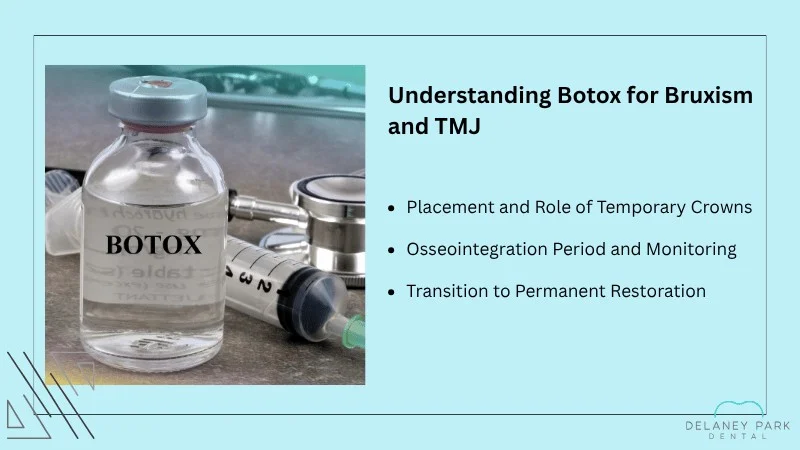
Botox injections work by temporarily relaxing overactive jaw muscles that cause grinding and clenching.
This treatment is typically recommended when traditional approaches like night guards don’t provide enough relief or when jaw muscle pain becomes severe.
How Botox Injections Reduce Clenching and Grinding
Botox injections work by blocking acetylcholine, a chemical that tells your muscles to contract. When injected into your jaw muscles, the toxin prevents these muscles from receiving signals to clench or grind.
The main target areas are your masseter muscle and temporalis muscle. Your masseter muscle runs along the side of your jaw and is the primary muscle involved in chewing.
The temporalis muscle sits on the side of your head near your temples.
Most treatments use 12 to 18 units of toxin injected directly into the belly of the masseter muscle. Some dentists also inject the temporalis or medial pterygoid muscles depending on your specific symptoms.
The effects start within a few days and reach full strength after about two weeks. Your muscles still work normally for chewing and talking, but the excessive grinding force decreases significantly.
The results typically last three to four months before the effects wear off completely.
When Is Therapeutic Botox Recommended?
Therapeutic botox becomes an option when you experience persistent symptoms despite using a night guard.
Your dentist might suggest botox treatment if you have severe morning headaches, significant jaw soreness, or visible masseter hypertrophy from chronic grinding.
This approach works well for patients who can’t tolerate wearing a night guard or who remove it during sleep without realizing.
It’s also helpful when stress and anxiety drive your bruxism, since the muscle relaxation can break the grinding cycle.
You might be a good candidate if you notice your jaw appears wider or more square due to enlarged jaw muscles.
Botox for TMJ can address both the cosmetic concern and the underlying muscle tension simultaneously.
Potential Side Effects and Risks
Common botox side effects include temporary bruising, swelling, or tenderness at injection sites. Some people experience mild difficulty chewing very hard or chewy foods for the first few weeks after treatment.
Less common risks include facial asymmetry if the toxin spreads unevenly or if one side of your jaw was treated differently than the other. This usually resolves as the botox wears off.
You might notice a slight change in your smile or facial expressions during the first treatment cycle. Headaches can occur but are typically mild and short-lived.
Serious complications are rare when an experienced provider performs the injections following proper protocols.
Comparing Effectiveness: Night Guards vs. Botox for Nighttime Grinding
Night guards protect your teeth from damage, while Botox reduces the actual force of clenching and grinding.
Understanding how each treatment addresses different aspects of bruxism helps you choose the right approach for your specific symptoms.
Which Option Delivers Greater Pain and Symptom Relief?
Night guards protect teeth but don’t stop grinding or necessarily reduce pain. They create a barrier between your upper and lower teeth but don’t address the muscle activity causing your jaw pain.
If you’re dealing with TMJ pain or morning jaw pain, Botox typically delivers more direct relief. The injections relax your masseter muscles, which reduces the intensity of teeth clenching during sleep.
Most people notice improvement within 3-7 days, with full results developing within two weeks.
Pain Relief Comparison:
- Night guards: May reduce joint strain but won’t stop muscle tension
- Botox: Directly reduces muscle force and often eliminates TMJ pain
- Duration: Guards work only when worn; Botox works continuously for 3-4 months
Your custom night guard works passively while Botox actively prevents the grinding force. If headaches and facial tension are your main concerns, Botox often provides better symptom relief than guards alone.
Protecting Teeth Versus Relaxing Jaw Muscles
Custom nightguards excel at preventing enamel wear and dental damage from clenching and grinding. They absorb the force that would otherwise crack or flatten your teeth over time.
Botox doesn’t physically shield your teeth. It reduces how hard you clench, but some grinding may still occur. If you already have visible enamel wear, you need protection that a guard provides.
What Each Treatment Protects:
| Treatment | Prevents Tooth Damage | Reduces Muscle Force | Addresses Root Cause |
| Night Guard | ✓ | ✗ | ✗ |
| Botox | ✗ | ✓ | ✓ |
Your teeth grinding might decrease with Botox, but the treatment doesn’t guarantee complete elimination of contact between teeth. Guards remain the gold standard for preventing long-term dental damage.
Combining Treatments for Maximum Benefit
Using both Botox and a nightguard together can provide muscle relaxation and physical protection. This approach works especially well if you have moderate to severe bruxism with both pain and visible tooth wear.
Botox reduces the grinding force while your custom night guard protects against whatever clenching remains. You might find the guard more comfortable to wear once Botox has relaxed your jaw muscles.
Best Candidates for Combined Treatment:
- People with frequent TMJ flare-ups
- Those with significant enamel wear
- Anyone who experiences both pain and dental damage
- Patients who clench intensely despite wearing guards
Your dentist can help you decide whether starting with one treatment makes sense or if combining them from the beginning better addresses your specific teeth grinding pattern.
Cost, Comfort, and Other Practical Factors
The price you pay and how each treatment fits into your daily life varies quite a bit. A custom night guard involves a one-time purchase with occasional replacements, while Botox requires regular appointments every few months.
Cost Differences and Dental Insurance Coverage
A custom night guard typically costs between $300 and $800 depending on the type and where you get it made. You pay once and use it for months or years with proper care.
Botox treatments range from $300 to $600 per session based on dosage and your provider’s rates.
Since Botox for bruxism requires repeat treatments every 3-4 months, the annual cost can reach $1,200 to $2,400. A night guard replacement might only be needed every one to three years.
Dental insurance coverage depends on your specific plan. Many policies cover part or all of a custom night guard when prescribed for diagnosed bruxism.
Insurance coverage for Botox varies by plan and location, some cover it when medically necessary for bruxism or TMJ pain, while others don’t.
You’ll need to check with your insurer or ask your provider to help with pre-authorization.
Long-Term Value and Treatment Durability
A well-fitted night guard delivers protection every night for extended periods. With proper cleaning and storage, many guards last 12 to 36 months before needing replacement.
The physical barrier shields your enamel, fillings, and crowns from grinding damage immediately.
Botox results appear within 3 to 7 days and peak around two weeks. The muscle relaxation typically lasts three to four months, sometimes longer.
You’ll need follow-up appointments to maintain relief. Testimonials show that many patients find the best results by combining both treatments; the guard protects teeth while Botox reduces the force behind clenching.
Lifestyle, Sleep Quality, and Daily Experience

Wearing a night guard takes a few nights to adjust to. Some people notice improved sleep quality once they get used to it because the guard provides gentle feedback that helps relax your jaw.
You simply insert it before bed and remove it in the morning.
After Botox injections, you might experience brief jaw fatigue when chewing very firm foods for the first week or two. This usually settles as your muscles adapt.
Most people resume normal activities right away and notice a softer, easier bite that makes mornings more comfortable.
Neither treatment directly changes your bite alignment, but a night guard can prevent shifting from grinding damage.
Botox may subtly slim a prominent jawline as the masseter muscle becomes less active, something to discuss with your provider if facial appearance matters to you.
Frequently Asked Questions
Many people want to know how severe their grinding is, what each treatment actually does, and which option makes more financial sense.
These questions help you understand when to seek treatment and what to expect from night guards versus injections.
How do I know whether my nighttime teeth grinding is mild or severe enough to need treatment?
You should look for specific signs that your grinding has moved beyond mild. Common indicators include waking up with jaw soreness, headaches near your temples, or tooth sensitivity that wasn’t there before.
Your dentist might notice flattened, chipped, or cracked teeth during routine checkups. These are clear signs of damage that needs protection.
If your partner mentions loud grinding sounds at night, that’s another signal. Severe cases often involve jaw clicking or popping, pain when chewing, or earaches without an infection.
What are the main pros and cons of using a custom night guard versus getting injections for jaw clenching?
A custom night guard creates a physical barrier between your upper and lower teeth. It prevents wear and protects existing dental work from damage. Guards work immediately and last for months or years with proper care.
The downside is that some people find them uncomfortable at first. Soft guards can actually increase clenching in some patients by triggering more muscle activity.
Jaw injections work differently by temporarily weakening your jaw muscles. This reduces the force of clenching and can ease muscle pain. Results appear within days.
However, injections don’t protect your teeth from grinding damage. The effects are temporary and require repeat visits every few months. Some people experience chewing weakness or facial changes with repeated use.
How long does a night guard typically last, and what can I do to help it last longer?
Most custom night guards last between 6 months and several years depending on how severely you grind. Hard acrylic guards generally outlast soft ones.
You can extend your guard’s life by rinsing it with cool water after each use. Clean it daily with a soft toothbrush and mild soap, not toothpaste.
Store your guard in its case when not in use to prevent damage or warping. Keep it away from heat sources and pets, which can chew through the material.
Bring your guard to dental appointments so your dentist can check for signs of excessive wear. Deep cleaning it weekly with a denture cleaner helps prevent bacteria buildup.
How quickly can jaw-related injections reduce clenching or morning jaw pain, and how long do results usually last?
Most people notice relief within 3 to 10 days after receiving jaw injections. The injections need time to weaken the targeted muscles.
Peak results typically appear around two weeks after treatment. You’ll likely feel less muscle tension and reduced pain when you wake up.
The effects usually last 3 to 4 months before wearing off. After that, muscle function gradually returns to normal.
You’ll need repeat treatments to maintain the benefits. Some people find that results last slightly longer after multiple treatment cycles.
Are there any side effects or risks to consider with either a night guard or jaw injections?
Night guards can cause temporary soreness as your mouth adjusts. A poorly fitted guard might shift your teeth over time or worsen jaw pain.
Some people produce more saliva at first or feel like gagging. These issues usually improve within a week or two as you get used to wearing it.
Jaw injections carry different risks. You might experience temporary chewing weakness or trouble with harder foods. Some people notice facial asymmetry or a sunken appearance with long-term repeated use.
The injections can also weaken muscles that support your airway during sleep. This becomes a concern if you have undiagnosed sleep apnea or breathing issues at night.
Which option tends to be more cost-effective over time, and is either one commonly covered by insurance?
A custom night guard requires a higher upfront cost but can last for years. This makes it more cost-effective long-term compared to repeated injections.
Injections cost less initially but add up quickly since you need treatments every few months. After a year of regular visits, injection costs typically exceed the price of a custom guard.
Dental insurance often covers part or all of a custom night guard when prescribed for bruxism. Coverage varies by plan, so check your specific benefits.
Insurance rarely covers jaw injections for grinding or clenching. Most insurers consider this a cosmetic procedure rather than a medical necessity. You’ll likely pay the full cost out of pocket.