Skip to content



You want to replace missing teeth while protecting your budget.
Dental implants and dentures both restore your smile, but a dental implants vs dentures cost comparison reveals how differently they add up over time.
The upfront price may catch your eye, but the 10-year total tells the real story.
Over a 10-year period, dental implants often cost less overall than dentures because they last longer and need fewer replacements and adjustments.
Dentures usually cost less at first, but you may pay for relines, repairs, adhesives, and full replacements every 5 to 7 years. Implants cost more upfront, but they can last decades with proper care.
If you want to make a smart financial choice and protect your long-term oral health, you need to look beyond the initial bill.
A closer look at real costs, daily function, and long-term care will help you decide what fits your life best.
Key Takeaways
- Implants cost more upfront but may save you money over 10 years.
- Dentures often require ongoing maintenance and replacement.
- Your health, budget, and lifestyle shape the best choice for you.
Comparing Dental Implants and Dentures for Tooth Replacement
When you need to replace missing teeth, you can choose a fixed option placed in your jawbone or a removable appliance that rests on your gums. Each method uses different materials, steps, and long-term care needs.
How Dental Implants Work
Dental implants replace missing teeth by acting like artificial tooth roots. Your dentist places a small titanium post into your jawbone during a minor surgery.
Over a few months, the bone grows around the post. This process locks the implant in place and creates a stable base for a crown, bridge, or implant-supported denture.
Each implant has three parts:
- Implant post placed in the jaw
- Abutment that connects the post to the tooth
- Crown that looks like a natural tooth
Because the implant sits in the bone, it helps limit bone loss that often follows tooth loss. You brush and floss implants like natural teeth. They do not come out at night, and they do not need adhesive.
How Dentures Are Made and Fitted
Dentures replace missing teeth with a removable appliance. They sit on top of your gums instead of in the jawbone.
Your dentist takes impressions of your mouth to create a custom fit. A lab makes a wax model first so your dentist can check your bite and make changes. Once the fit looks right, the final denture is made.
There are two main types:
- Full dentures replace all teeth in the upper or lower arch
- Partial dentures replace several missing teeth and attach to nearby natural teeth
Most dentures use acrylic and sometimes a metal framework. You remove them daily for cleaning. Many people use adhesive to improve stability.
Over time, your gums and jawbone can change shape. This may require relines or a new denture.
Types of Dentures and Implant-Supported Options
You can choose from traditional removable dentures or options that connect to dental implants. Each has different costs and stability levels.
Traditional full dentures often cost between $1,000 and $3,000 depending on quality, according to this guide on dental implants vs. dentures cost. However, you may need replacement every 5 to 10 years.
An implant-supported denture, also called an overdenture, snaps onto two or more implants. It stays more secure than a standard denture but still removes for cleaning.
Some implant-supported dentures stay fixed in place and only your dentist can remove them. These options cost more upfront but offer greater stability and chewing strength.
Your choice depends on your budget, bone health, and whether you want a removable or fixed solution to replace missing teeth.
Total Cost Breakdown Over 10 Years
When you compare implants and dentures over 10 years, you need to look past the first bill. The real difference shows up in repeat costs, repairs, and how long each option lasts.
Upfront Costs and Initial Investment
Your first expense will look very different depending on the option you choose.
A single implant cost often ranges from $1,500 to $5,000 per tooth, depending on location and case difficulty. This usually includes the implant post, abutment, and crown. Full-mouth treatment can cost much more.
Dentures cost less at the start. According to this breakdown of dental implant and denture costs, complete dentures often range from $600 to $2,500 per arch, depending on materials and quality.4
You might choose:
- Full dentures (also called complete dentures) for a full arch
- Partial dentures, if you still have healthy natural teeth
- Immediate dentures are placed the same day teeth are removed
Modern dentures can look natural, but the lower upfront price does not reflect what you may spend later.
Your smile deserves a decision you won’t second-guess in 5 years. Visit our clinic to map out your most cost‑smart move.
Hidden Expenses: Maintenance, Adjustments, and Replacements
Over 10 years, maintenance changes the math.
Dentures usually last 5 to 10 years before you replace them, as explained in this guide on dentures vs implants durability. Your jawbone shrinks over time, which affects the fit.
You will likely pay for:
- A denture adjustment when the fit loosens
- Multiple denture adjustments over several years
- Relining to reshape the inside surface
- Adhesives and special cleaners
If your dentures crack or wear down, you may need repairs or full replacement. That means another large payment within the same 10-year window.
Implants require regular cleanings and checkups, just like natural teeth. The titanium post can last decades with proper care, though the crown may need replacement after many years.
In many cases, implants become more cost-effective across a decade, as noted in this 10-year cost comparison of dental implants vs dentures.
Insurance Coverage and Financing
Insurance often treats these options differently.
Many dental plans help cover full dentures or partial dentures because they classify them as basic care. Coverage limits still apply, and you may face waiting periods.
Implants often receive limited coverage. Some plans only pay for the crown, not the surgical implant. You should review your annual maximum, which commonly caps benefits at a set dollar amount per year.
If you need help paying, you can use:
- Health savings accounts (HSA)
- Flexible spending accounts (FSA)
- Third-party financing programs
- In-office payment plans
Spreading payments out can make the higher implant cost easier to manage, especially if you want a long-term solution instead of replacing dentures more than once in 10 years.
Long-Term Oral Health and Jawbone Considerations
Your choice affects more than cost. It shapes your jawbone health, facial structure, and daily oral health for years.

Jawbone Health and Osseointegration
When you lose a tooth, your jawbone no longer gets pressure from chewing. Without that pressure, the bone begins to shrink. You can lose up to 25% of bone width in the first year after tooth loss.
Dental implants help stop this process. The titanium post bonds with your bone through osseointegration. This process locks the implant into your jaw and allows it to act like a real tooth root.
Because the implant transfers chewing force into the bone, it supports healthy jawbone density. Dentures do not do this. They rest on top of your gums and do not stimulate the bone underneath.
If you already have bone loss, you may need bone grafting before getting an implant. That adds cost and healing time, but it rebuilds the base needed for long-term stability.
From a long-term oral health view, implants help preserve the structure that holds your teeth in place.
Impact on Facial Structure Over Time
Your jawbone supports the shape of your lower face. When bone shrinks, your facial structure can change.
Bone loss under dentures may cause:
- A sunken look around the mouth
- Thinner lips
- Deeper lines around the chin
- A shorter lower face height
These changes happen slowly, but they add up over several years.
Implants help maintain your natural facial shape by protecting the bone beneath them. By preserving bone volume, they help keep your cheeks and lips properly supported.
Dentures may need frequent relines as your jaw changes shape. Implants stay fixed in place because they fuse to the bone.
If you want to protect both your oral health and your facial structure over a 10-year period, bone preservation becomes a key factor in your decision.
Why wait? Skip the clipboard and jump straight to smarter tooth replacement. Fill out your patient form online, and let’s talk long‑term value.
Functionality and Quality of Life
Your choice affects how you eat, speak, and feel each day. Function, comfort, and stability often matter just as much as long‑term cost.

Chewing Efficiency and Diet Freedom
Chewing efficiency changes based on how stable your teeth are. Dental implants anchor into your jaw, so you can bite with strong chewing power and steady pressure.
Dentures rest on your gums. Over time, bone changes can reduce fit, which may lower chewing efficiency and increase denture wear. You may need relines or adhesives to improve grip.
Many people with dentures avoid hard or sticky foods. An upper denture can also cover the roof of your mouth, which may affect how food feels and tastes.
Implants often restore chewing ability more closely to that of natural teeth. This stability helps you eat a wider range of foods, including raw vegetables and tougher cuts of meat.
Speech, Comfort, and Appearance
Stable teeth help you speak clearly. Dentures can shift while you talk, especially if the fit changes over time.
Some people notice clicking sounds or slight movement. An upper denture may feel bulky at first, and you may need time to adjust your tongue and lips.
Implants stay fixed in place. Because they do not move, you usually speak without slipping or extra effort.
Comfort also differs. Dentures can rub against gum tissue, causing sore spots, especially as bone shrinks.
Implants support your jawbone and help maintain facial shape, as explained in this guide on dentures vs dental implants costs and benefits.
When teeth stay secure, you often feel more confident in social settings. You smile, eat, and speak without worrying about movement.
Suitability and Factors Influencing the Right Choice
Your health, habits, and goals shape whether dental implants or dentures make sense for you. The cost over 10 years depends on how well the option fits your body and daily life.
Eligibility and Health Requirements
You need healthy gums and enough jawbone to support implant surgery. If you lost bone after you replace missing teeth, your dentist may suggest a bone graft before placing implants.
Certain health issues can affect healing. Uncontrolled diabetes, heavy smoking, or immune problems can raise the risk of implant failure.
You also need time to heal, since implants can take several months to fully bond with your bone.
Dentures do not require surgery. They often work well if you have significant bone loss or medical conditions that make surgery risky.
A detailed exam, X-rays, and a review of your medical history help your dentist decide what protects your long-term oral health.
Lifestyle, Age, and Personal Preference
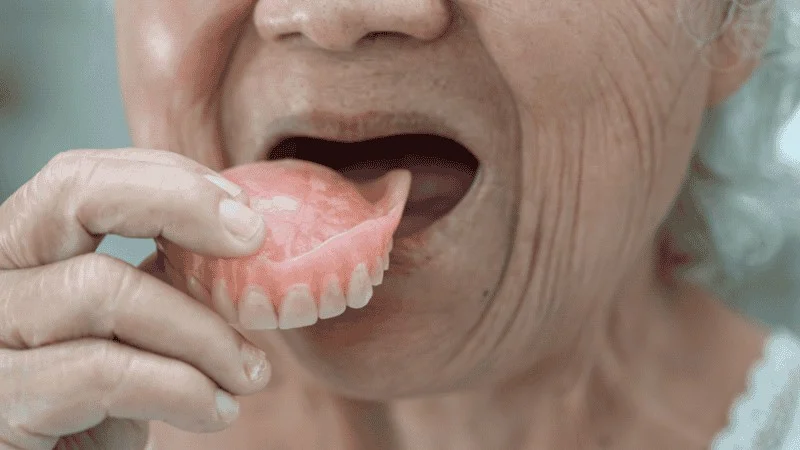
Your daily routine matters. Implants stay fixed in your mouth, so you brush and floss them like natural teeth. Dentures come out at night and need separate cleaning.
If you want a strong bite force for foods like steak or apples, implants usually provide better stability.
Many comparisons note that implants last longer, while dentures often need replacement every 5 to 8 years, which affects long-term value.
Age alone does not rule out implants. However, younger patients may benefit more from their long lifespan, while older adults may prefer a non-surgical option.
You should also consider comfort with surgery, budget limits, and how important a fixed, natural feel is to you.
Tired of dental guesswork? Come see why locals trust us in Anchorage, AK, to balance upfront costs with lifelong results. Plan your visit today.
Frequently Asked Questions
You want clear numbers and simple facts before you make a choice. The cost over 10 years depends on upfront fees, repairs, replacements, and the length of each option’s lifespan.
What are the long-term cost comparisons between dental implants and dentures?
Dentures usually cost less at first. Full dentures often range from $1,000 to $3,000, depending on the type, according to this guide comparing dental implant vs. denture costs.
But dentures often need to be replaced every 5 to 7 years. Over 10 years, you may pay for two sets, plus adjustments.
A single implant can cost about $3,000 to $7,000 upfront. However, implants can last 20 years or longer with proper care, spreading the cost over a longer period.
How do maintenance costs for dentures and implants differ over a decade?
Dentures need daily adhesives, soaking solutions, and special cleaners. You may also need relines and repairs as your gums change shape.
Implants do not require adhesives. You brush and floss them like natural teeth and attend regular dental visits.
Over 10 years, denture supplies and refitting costs can add up. Implants usually involve fewer ongoing product costs, but you still pay for checkups and possible crown repairs.
What factors should I consider when choosing between dental implants and dentures for budget-friendly oral care?
First, look at your upfront budget. Dentures cost less at the start, which helps if you need a quick and lower initial expense.
Second, think about durability. Many experts note that implants often last longer and may become more cost-effective over time, as explained in this article on dental implants vs dentures pros and cons.
You should also consider bone health. Implants help support the jawbone, while dentures do not.
Are there any hidden costs associated with implant-supported dentures over time?
Implant-supported dentures, often called snap-in dentures, sit between traditional dentures and full implants in cost and stability.
They still use implants, so you pay for surgery and healing. You may also need to replace attachment parts over time.
If parts wear out, your dentist will need to service or replace them. Those small repairs can increase your total 10-year cost.
Can you break down the average costs for dental implants and dentures over 10 years?
Let’s use simple estimates.
If you pay $2,000 for a full denture and replace it once in 10 years, that’s about $4,000. Add adjustments and supplies, and your total may rise higher.
If you pay $5,000 for a single implant and it lasts for 10 years or more, you may not need a replacement during that period.
According to this 2025 review of dental implants vs dentures costs and comfort, implants cost more upfront but can last much longer with proper care.
For full-arch implants, the initial cost is much higher, but you may avoid denture replacements within that same 10-year window.
Does insurance coverage impact the cost-effectiveness of dental implants versus dentures in the long run?
Yes, insurance can change the math.
Many dental plans cover part of the cost of dentures. Coverage for implants varies and may be limited.
If your plan pays more toward dentures, your short-term cost drops. If it helps with implants, your long-term savings may improve because you reduce replacement and maintenance costs over time.