Skip to content



You might think that grinding your teeth automatically rules out getting dental veneers, but that’s not the whole story. Many people with bruxism wonder if investing in veneers makes sense when their grinding habit could damage these cosmetic improvements.
The good news is that understanding the risks and taking proper precautions can help you make an informed choice.
You can get veneers if you grind your teeth, but you’ll need to take extra steps to protect them, including wearing a custom mouthguard and choosing high-strength materials like EMax porcelain.
Without these protective measures, veneers are eight times more likely to fracture in people who grind their teeth. The right approach depends on how severe your grinding is and whether you’re willing to commit to protecting your investment.
Your situation is unique, and what works for one person might not be the best choice for you.
This guide will help you understand the real relationship between bruxism and veneers, including what makes teeth grinding one of the greatest risks to cosmetic dental work and how to overcome those challenges.
Key Takeaways
- Veneers can work for teeth grinders when paired with custom mouthguards and high-strength porcelain materials
- Untreated bruxism significantly increases the risk of veneer damage including fractures, chips, and debonding
- Alternative treatments like dental crowns may be better options for people with severe grinding issues
Understanding Bruxism and Teeth Grinding
Bruxism affects roughly 70% of people at some point in their lives, and understanding this condition is important before deciding on dental treatments.
The causes range from stress to sleep disorders, and recognizing the signs early can help protect your oral health.
What Is Bruxism?
Bruxism is the medical term for grinding, gnashing, or clenching your teeth. This can happen during the day when you’re awake or at night while you sleep. Sleep bruxism is considered a sleep-related movement disorder.
When you have bruxism, you may unconsciously clench your teeth together or grind them back and forth. The pressure from grinding can be quite strong. Some people apply hundreds of pounds of force when they grind their teeth.
Night grinding is often linked to sleep apnea and other sleep disorders. During the day, stress and anxiety tend to trigger the clenching. Both types can cause serious damage to your teeth over time.
Signs and Symptoms of Teeth Grinding
You might not realize you grind your teeth, especially if it happens while you sleep. Common signs include waking up with a sore jaw or dull headache. Your teeth may become flattened, fractured, or chipped.
Other symptoms to watch for include:
- Worn tooth enamel that exposes deeper layers
- Increased tooth sensitivity or pain
- Tight or tired jaw muscles
- Pain that feels like an earache
- Damage to the inside of your cheek from chewing
You may also experience TMJ disorder, which causes clicking or popping sounds when you open your mouth. A sleeping partner might hear grinding noises at night, which can be the first clue you have bruxism.
Common Causes of Bruxism

Stress and anxiety are the most common triggers for teeth grinding. When you’re worried or tense, your jaw muscles can tighten without you realizing it.
Sleep apnea is strongly connected to nighttime grinding. If you have trouble breathing during sleep, your body may clench or grind as a response. Misaligned teeth or an abnormal bite can also cause bruxism.
Lifestyle factors play a role too. High caffeine intake, smoking, and alcohol use can all make grinding worse. Certain medications, particularly some antidepressants, may increase your risk.
Age matters as well. Bruxism is common in young children but usually goes away by adulthood. However, when it continues into adult years, it typically requires treatment to protect your oral health.
Porcelain Veneers and Teeth Grinding: Risks and Effects
Teeth grinding creates significant challenges for porcelain veneers, increasing the risk of damage and reducing their expected lifespan.
The pressure from bruxism can cause fractures, debonding, and premature wear that compromises your investment in cosmetic dentistry.
How Bruxism Impacts Porcelain Veneers
When you grind your teeth, you apply extreme force that porcelain veneers aren’t designed to withstand. This constant pressure can reduce the success rate of cosmetic dentistry procedures by up to 60% in people with bruxism.
The grinding motion creates stress points on your dental veneers. These weak spots develop where the veneer meets your natural tooth.
Over time, you may lose up to 40% of your tooth structure from grinding. This affects how well veneers bond to your teeth and stay in place.
The force from clenching can also change the shape of your veneers. They may chip at the edges or develop small cracks that spread over time. Your veneers experience wear patterns that wouldn’t occur with normal chewing and biting.
Veneer Fractures and Debonding
Fractures are one of the most common problems you’ll face with veneers and teeth grinding. Studies show that over half of all veneer fractures happen in people who grind their teeth.
Without protection, you’re eight times more likely to experience veneer breakage. These fractures can range from small chips to complete breaks that expose your natural tooth underneath.
Debonding occurs when your veneers separate from your teeth. The grinding force weakens the adhesive bond over time. You might notice your veneer feels loose or see gaps forming around the edges.
When debonding happens, bacteria can get trapped between the veneer and your tooth. This creates additional dental problems beyond just cosmetic concerns.
Longevity of Veneers for Teeth Grinders
Standard porcelain veneers typically last around 15 years with proper care. However, if you grind your teeth, your veneers may need replacement much sooner.
The constant grinding accelerates wear and damage. You might see visible changes within just a few years instead of over a decade.
High-strength veneer materials like monolithic EMax offer better durability. These options are specifically designed to resist the forces of bruxism and can extend the lifespan of your dental veneers in Anchorage.
Using a custom mouthguard at night dramatically improves veneer longevity. It acts as a barrier between your upper and lower teeth, absorbing the grinding force.
With proper protection and regular dental check-ups, you can help your veneers reach their full expected lifespan despite having bruxism.
Book a consultation today to find out if veneers are the right solution for teeth grinding.
Essential Protective Measures for Veneer Longevity
Protecting your veneers from grinding damage requires a combination of custom-fitted guards, smart daily habits, and consistent professional monitoring.
These steps can extend veneer life from just 5-7 years to 15-20+ years.
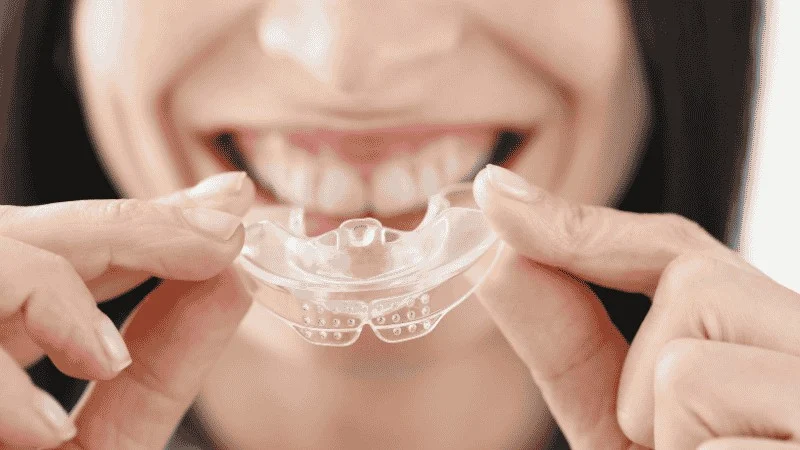
Importance of Custom Mouthguards and Night Guards
A custom night guard is your most important defense against grinding damage. When you grind your teeth at night, you can generate over 200 pounds of pressure without realizing it.
This force can chip, crack, or loosen even high-quality porcelain veneers.
Custom-fitted guards made by your cosmetic dentist offer significantly better protection than store-bought options.
They’re created from a mold of your actual teeth, so they fit snugly and stay in place while you sleep. Hard acrylic guards provide the best protection for severe grinders and can last 3-5 years with proper care.
Over-the-counter guards may shift during sleep and provide uneven protection. They typically only last 3-6 months and cost $20-60, while custom guards run $400-900 but offer reliable long-term protection for your investment.
How to Protect Veneers from Damage
Beyond wearing your night guard consistently, you need to avoid certain habits and foods. Hard items like ice, hard candy, pens, and fingernails can crack or chip your veneers just like they damage natural teeth.
Daily habits to avoid:
- Biting ice or hard candy
- Chewing on pens or pencils
- Using your teeth as tools to open packages
- Biting your fingernails
If you notice yourself clenching during the day, talk to your dentist about a thin daytime guard. Store your guard in a vented case and rinse it with water after each use. Let it air-dry completely to prevent bacteria buildup.
The Role of Regular Dental Monitoring

Your dentist needs to check your veneers and night guard at every cleaning appointment. These visits allow early detection of wear patterns, small chips, or bite changes that could lead to bigger problems.
Schedule cleanings every six months to maintain your oral health and veneer condition. Your dentist can adjust your night guard if your bite shifts or if the guard shows excessive wear.
Bring your guard to each appointment so it can be cleaned professionally and checked for damage.
Regular monitoring helps prevent concerns from getting worse, protecting your smile investment. Your dentist can also spot early signs of grinding damage and recommend protective measures before your veneers sustain serious harm.
Evaluating Alternatives: When Veneers Might Not Be the Best Choice
If you grind your teeth heavily, veneers might crack or chip under constant pressure.
Dental crowns offer more protection for severe cases, while other cosmetic dentistry treatments can improve your smile without the risks that come with bruxism.
Dental Crowns vs. Veneers for Severe Bruxism
Dental crowns provide stronger protection than veneers when you have severe teeth grinding. Crowns cover your entire tooth like a cap, which gives them much better durability against the intense forces of bruxism.
Veneers only cover the front surface of your teeth. They use a thin layer of porcelain that can crack easily when you clench or grind at night.
Dental crowns work well if your teeth are already damaged from grinding. Teeth that have large fractures or extensive decay may lack the strength to support veneers and need crowns instead.
Crowns also protect teeth that have become weak or brittle over time.
The trade-off is that crowns require more tooth removal than veneers. Your dentist has to reshape more of your natural tooth structure to fit the crown properly.
Other Cosmetic Dentistry Options
Teeth whitening offers a less invasive option if you mainly want to brighten stained or discolored teeth. This treatment doesn’t alter your tooth structure at all, which makes it safer for people who grind their teeth.
Dental bonding uses composite resin to fix chips, gaps, and minor shape problems. It costs less than veneers and doesn’t require as much enamel removal.
The downside is that bonding material isn’t as durable or stain-resistant as porcelain veneers.
Orthodontic treatments like braces or Invisalign work better if you have crooked teeth or bite problems. These options actually fix the position of your teeth instead of just covering them up.
Straightening your teeth through orthodontics might even reduce some grinding issues caused by misaligned teeth.
Each alternative has different benefits depending on what you want to fix. Your specific dental condition and grinding severity should guide which option makes the most sense for your situation.
Partnering with Your Cosmetic Dentist for Long-Term Success
A skilled cosmetic dentist can create a treatment plan that protects your veneers from grinding damage while maintaining your oral health through regular monitoring and adjustments.
Expert Consultation and Personalized Treatment Plans
Your cosmetic dentist needs to evaluate your grinding habits before recommending veneers. They’ll examine your jaw movement, check for existing tooth wear, and measure the force of your bite.
A personalized plan might include specific veneer materials that handle grinding better. Porcelain veneers are typically stronger than composite options.
Your dentist in Anchorage may suggest placing veneers only on certain teeth or adjusting the thickness based on your grinding pattern.
Key elements of a custom plan include:
- Bite analysis to identify grinding pressure points
- Material selection based on your grinding severity
- Night guard design that fits over your veneers
- Timeline for veneer placement and follow-up care
Your dentist should discuss realistic expectations. If your grinding is severe, they might recommend treating it first before getting veneers.
Some patients need Botox injections or other therapies to reduce grinding intensity before cosmetic dentistry procedures.
Ongoing Dental Care for Teeth Grinders
Regular checkups become even more important when you grind your teeth with veneers. You’ll need appointments every 3-6 months instead of the standard twice yearly visits.
Your dentist will inspect your veneers for chips, cracks, or signs of loosening. They’ll also check your night guard for wear and adjust it if needed. Early detection of problems prevents costly repairs or full veneer replacement.
Expect your dentist to monitor:
- Veneer edges for chips or roughness
- Gum tissue around veneers for recession
- Night guard fit and condition
- Changes in your grinding patterns
Between visits, report any sensitivity, rough edges, or changes in how your teeth fit together. Your dentist can make minor adjustments before small issues become major problems.
This ongoing partnership ensures your veneers last as long as possible despite grinding challenges.
Professional cleanings also protect your investment. Your hygienist uses special tools that won’t damage veneers while removing buildup that could weaken the bonding.
Frequently Asked Questions
People who grind their teeth often have specific concerns about getting veneers, from protective options to long-term costs. These answers address the most common questions about combining veneers with bruxism management.
What options are available for people who grind their teeth and want veneers?
You have several options if you grind your teeth and want veneers. The most important step is wearing a custom-made night guard to protect your veneers from grinding damage.
Your dentist might also recommend stress reduction techniques if your grinding is stress-related. Working with a prosthodontist who specializes in restorative dentistry can help you create a treatment plan that accounts for your bruxism.
Some dentists may suggest treating your grinding habit first before placing veneers to ensure better long-term results.
How does bruxism affect the lifespan of veneers?
Bruxism can shorten how long your veneers last by putting extra stress on them. Without protection, the constant grinding motion can wear down the veneer material or cause chips and cracks.
With proper care and a night guard, veneers can last 10 to 15 years or more even if you grind your teeth. Regular dental checkups help catch any problems early so your veneers stay in good condition.
The severity of your grinding also plays a role in how long your veneers will hold up.
Can you get veneers on teeth that have been damaged by grinding?
Yes, veneers work well for covering the damage that teeth grinding causes. They can restore the appearance of worn-down enamel and fix uneven tooth surfaces.
Your dentist will need to evaluate the extent of the damage first. If the grinding has caused severe structural problems, you might need other treatments before getting veneers.
Veneers are actually a popular choice for fixing the cosmetic issues that bruxism creates.
What protective measures are recommended for veneer wearers who suffer from teeth grinding?
A professionally fitted night guard is the most important protective measure for your veneers. This device creates a barrier between your upper and lower teeth to absorb the grinding force.
You should also practice stress management techniques like mindfulness or relaxation exercises. These can help reduce grinding intensity if stress triggers your bruxism.
Regular dental visits let your dentist monitor both your veneers and your grinding habit to adjust your treatment as needed.
How does the cost of repairing or replacing veneers impacted by grinding compare to initial installation?
Repairing or replacing damaged veneers typically costs about the same as getting new veneers initially. The exact price depends on how many veneers need work and the extent of the damage.
A single veneer replacement can range from several hundred to over a thousand dollars per tooth. Investing in a quality night guard upfront costs much less than replacing veneers repeatedly.
Your dental insurance might not cover cosmetic veneer replacement, making prevention through night guards even more cost-effective.
What are the alternatives to veneers for someone with a habit of grinding their teeth?
Dental bonding offers a less expensive and less invasive option than veneers. This treatment uses tooth-colored resin to repair worn or damaged teeth and can be replaced more easily if grinding causes damage.
Crowns provide more protection for severely damaged teeth and can withstand grinding forces better than veneers. Orthodontic treatment might help if your grinding relates to bite alignment issues.
Some people choose to focus on managing their bruxism first through night guards and stress reduction before pursuing any cosmetic work.