Skip to content



Getting a full arch of new teeth is a big decision. You want to understand what you will pay before you start treatment. The cost depends on several things that work together to create your final price.
The main factors that affect full-arch tooth replacement cost include the number of arches you need to replace, your bone condition, the type of restoration material, your surgeon’s experience, and where you live.
All-on-4 dental implants cost for one arch ranges from $18,000 to $38,000 in 2026. This wide range exists because each person’s mouth is different and needs a custom treatment plan.
Understanding these cost factors helps you plan your budget and know what to expect. You can make a smart choice about your dental health when you know how different parts of treatment affect the total price.
This guide breaks down each factor so you can see where your money goes and why this investment matters for your future.
Key Takeaways
- The cost of full-arch replacement depends on how many arches you treat, whether you need bone grafting, and what materials you choose for your new teeth
- Provider experience and location affect pricing, with board-certified surgeons using advanced technology typically charging more but offering better long-term results
- Full-arch implants cost more upfront than dentures but last longer and avoid repeated replacements, making them a better value over time
Core Components That Shape the Total Cost
Several key elements determine what you’ll pay for full-arch tooth replacement.
The implant posts themselves, the type of restoration you choose, the materials used for your prosthesis, and the connecting hardware all play distinct roles in your final bill.
Implant Posts and Surgical Procedures
The implant posts are titanium or zirconia screws that get placed into your jawbone during implant surgery. Most providers use titanium implants because they’re proven and cost-effective.
Zirconia implants are a newer option that some people prefer for their tooth-colored appearance.
The surgical procedure itself includes several steps. Your dentist will place the posts into your bone, where they’ll integrate through a process called osseointegration. This typically takes three to six months.
The average cost for implant posts ranges from $1,199 to $6,000 per implant in Texas markets. Full-arch restorations usually need four to six posts per arch.
Some cases require bone grafting before implant placement, which adds to your total expense.
Type of Full-Arch Restoration
You have three main options for full-arch restoration. Each one differs in how it attaches to your implants and how you maintain it.
All-on-4 prosthetics screw permanently onto four implants and can’t be removed at home. The average cost is $23,508 per arch.
Snap-in dentures click onto your implants so you can remove them for cleaning, averaging $15,333 per arch. Zirconia bridges offer the most natural feel and function at $31,250 per arch on average.
The type of restoration you choose affects not just cost but also maintenance requirements and longevity.
Material Choices for Prostheses
The material used for your prosthesis significantly impacts both price and performance. Acrylic is the most affordable option but absorbs moisture and bacteria.
It’s the same material used in regular dentures and can crack more easily.
Porcelain-fused-to-metal offers a more natural appearance than acrylic. However, it’s more prone to chipping than stronger materials when you bite into harder foods.
Zirconia represents the highest quality choice. It’s as strong as diamonds, doesn’t absorb bacteria, and looks like natural teeth. Only 38% of surveyed practices in Texas offered zirconia as an option.
You can brush zirconia just like real teeth without worrying about special cleaning solutions.
Abutments and Associated Hardware
Abutments are connector pieces that attach between your implant posts and your prosthesis. They come in different materials and designs depending on your specific restoration type.
Standard abutments work for most cases. Custom abutments cost more but provide better fit and appearance in complex situations. The average crown-only cost, which includes the abutment, ranges from $545 to $3,991.
Your restoration also needs screws, healing caps, and other small components. These items typically get bundled into your total treatment cost rather than charged separately.
Full-Arch Treatment Options and Their Cost Differences
Different full-arch solutions use varying numbers of implants and techniques that affect your final price.
The main approaches range from four implants supporting an entire arch to individual implants for each tooth, with costs reflecting the complexity and materials involved.
All-on-4 Versus All-on-6 Implants
All-on-4 implants use four strategically placed posts to support a complete arch of replacement teeth. The All-on-4 dental implants cost for one arch ranges from $18,000 to $38,000 in 2026.
The back implants are tilted at an angle to maximize your existing bone. This approach often lets you avoid bone grafting procedures that add thousands to your treatment cost.
All-on-6 implants place six posts in your jaw instead of four. You’ll typically pay $3,000 to $8,000 more per arch compared to All-on-4 because you’re getting two additional implants.
The six-implant design distributes chewing forces more evenly across your jaw. This makes All-on-6 a better choice if you have a strong bite or grind your teeth at night.
Traditional Full Arch Implants
Traditional full arch implants place individual posts for each replacement tooth in your jaw. You might need 8 to 14 separate implants to replace all teeth in one arch.
This method costs significantly more than All-on-4 or All-on-6 systems. Each implant requires its own surgical placement, healing time, and custom crown.
The total price can reach $60,000 to $90,000 per arch with traditional approaches. Your treatment also takes longer because each implant needs to heal individually before your dentist can attach the final teeth.
Most patients choose streamlined options like All-on-4 instead. Traditional full arch work is usually reserved for cases where you have excellent bone density and specific clinical needs.
Implant-Supported Bridge Options
An implant-supported bridge connects multiple replacement teeth to just a few implants. This gives you a fixed restoration that doesn’t come out like dentures do.
Your bridge can be made from different materials that affect the price:
- Acrylic bridges: $15,000 to $25,000 per arch, lighter weight, easier to repair
- Porcelain-fused-to-metal: $25,000 to $40,000 per arch, very durable but less natural looking
- Zirconia bridges: $35,000 to $55,000 per arch, strongest option with best appearance
The number of implants supporting your bridge changes the cost too. A bridge on four implants costs less than one requiring six or eight posts.
Your dentist attaches the bridge permanently, so you clean it like natural teeth. This differs from removable options that snap onto implants but come out for cleaning each night.
Preparatory Procedures and Their Financial Impact
Before you can receive full-arch implants, your dentist may need to perform several preparatory procedures to ensure your jawbone can support the new teeth.
These procedures add between $500 and $5,000 to your total treatment cost depending on what’s needed.
Bone Grafting and Sinus Lift
If you’ve been missing teeth for a while, your jawbone may have lost density and volume. Bone grafting rebuilds this foundation so implants can anchor securely.
The procedure typically costs between $500 and $2,000 per area.
For upper jaw implants, you might need a sinus lift to create enough space between your sinus cavity and jawbone. This procedure raises the sinus membrane and adds bone material underneath.
Sinus lifts can add $500 to $3,000 to your treatment depending on complexity.
Your dentist will determine if you need these procedures during your consultation. Not everyone requires bone grafting or sinus lifts, especially if you still have good bone density.
Tooth Extractions Before Implant Placement

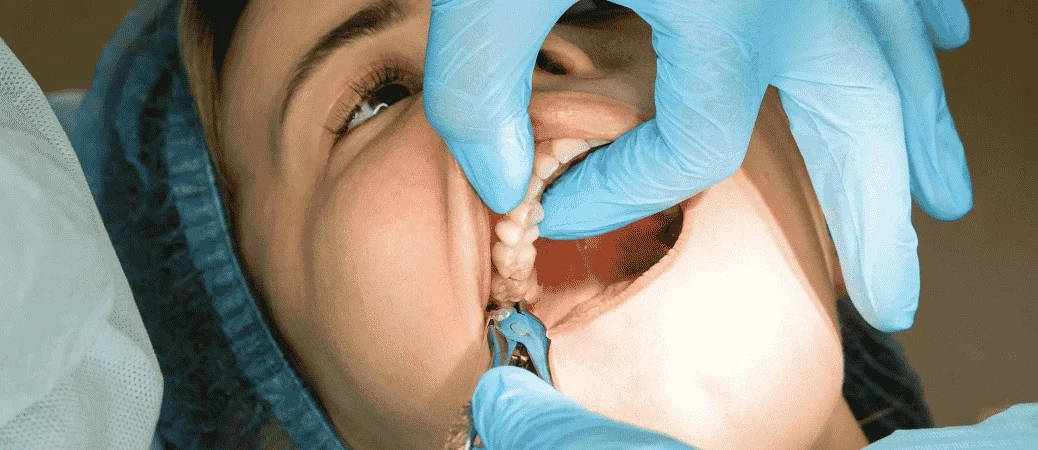
If you still have remaining teeth in the arch being treated, they’ll need to be removed before implant placement.
Simple extractions cost around $100 to $300 per tooth. Surgical extractions for impacted or broken teeth can run $200 to $500 each.
The total cost depends on how many teeth need removal and their condition. Some clinics bundle extraction costs into your full-arch package. Others charge separately, so ask for a complete breakdown during your consultation.
Many dentists can perform extractions and place implants during the same appointment, which saves you time and a second healing period.
Diagnostic Imaging and Computer-Guided Surgery
Modern full-arch procedures rely on advanced imaging technology. Your dentist will use cone beam computed tomography (CBCT) to create 3D images of your jaw, sinuses, and nerves.
These scans cost between $300 and $600 but are essential for safe, precise implant placement.
Computer-guided surgery uses your CBCT scan to plan exact implant positions before your procedure. This technology improves accuracy and can reduce surgery time
While it may add $500 to $1,500 to your total cost, guided surgery often leads to better outcomes and fewer complications.
These digital tools help your dental team avoid important structures like nerves and blood vessels while maximizing implant stability.
Provider Expertise and Geographic Influence
The professionals performing your procedure and where they practice can create price differences of $20,000 or more for the same treatment.
Experience levels, facility standards, and regional cost variations all play major roles in what you’ll pay.
Surgeon and Prosthodontist Experience
A surgeon who has completed thousands of implant placements typically charges more than someone early in their career. This higher fee reflects their ability to handle complex cases, predict potential complications, and deliver consistent results.
Board-certified specialists in oral surgery or prosthodontics invest years in advanced training beyond dental school. Their expertise becomes especially valuable if you need bone grafting or have challenging jawbone health conditions.
Board-certified implantologists often charge higher fees that reflect their advanced certifications and track record.
You’re not just paying for the procedure itself. You’re paying for the knowledge to avoid mistakes that could lead to implant failure or the need for costly revisions.
Experienced providers often complete surgeries more efficiently and with fewer complications.
Facility Quality and Safety Standards
The surgical environment where you receive treatment affects your total cost. Accredited surgical centers maintain strict sterilization protocols, modern equipment, and trained support staff.
These facilities invest in:
- Advanced imaging technology like CBCT scanners
- Properly maintained surgical suites
- Emergency equipment and protocols
- Qualified anesthesia providers
- Regular staff training and certifications
Higher facility fees reflect these quality standards that protect your safety. Cutting costs by choosing a practice with minimal oversight can put you at risk for infections or complications.
Regional and International Price Variation
Where you live significantly impacts pricing. Urban areas command higher facility and staffing costs than rural practices due to rent, salaries, and overhead expenses.
A full-arch procedure in San Francisco or New York might cost $50,000 while the same treatment in a smaller Midwestern city runs $30,000.
The surgeon’s skill level may be identical, but local economics drive the difference.
Dental tourism destinations like Mexico, Costa Rica, or Thailand offer prices 40-70% lower than U.S. rates. You could save $15,000 to $30,000 per arch by traveling abroad.
Before booking international treatment, research the surgeon’s credentials, verify the implant brands they use, and understand your follow-up care plan.
You’ll need local support if complications arise after you return home. Travel and lodging costs also reduce your overall savings.
Insurance, Financing, and Long-Term Value
Most dental insurance plans offer limited coverage for full-arch replacements, but payment options and financing can make treatment accessible.
Understanding what insurance might cover and how to budget for ongoing care helps you plan for both immediate and future costs.
Insurance Coverage for Full-Arch Replacements
Traditional dental insurance typically covers only a small portion of implant treatment.
Most plans classify dental implants as a cosmetic or elective procedure, which means they might cover 50% of the cost up to an annual maximum of $1,000 to $2,000.
Some insurance policies will pay for parts of the treatment but not others. Your plan might cover the extraction of damaged teeth or the crown portion of the restoration while excluding the implant posts themselves.
Medical insurance sometimes helps with costs if your tooth loss resulted from an accident or medical condition. You’ll need documentation from your doctor showing the medical necessity of treatment.
If you have both dental and medical insurance, submit claims to both carriers. The dental implants cost can be substantial, so maximizing your benefits matters.
Payment Plans and Financing Solutions
Most dental offices offer financing options that let you spread payments over time. Around 92% of patients qualify for payment plans that break down the total cost into monthly installments.
Third-party financing companies like CareCredit or LendingClub provide healthcare loans specifically for dental work.
These loans often feature promotional periods with 0% interest if you pay the balance within 12 to 24 months.
In-house payment plans through your dental provider might offer more flexible terms. Some practices let you pay a portion upfront and arrange monthly payments without involving a finance company or credit check.
Health savings accounts (HSAs) and flexible spending accounts (FSAs) let you use pre-tax dollars for dental implants. This reduces your taxable income and effectively lowers the cost of full arch dental implants by your tax rate.
Long-Term Maintenance and Additional Costs
Dental implants in Anchorage require regular cleanings and checkups just like natural teeth. You’ll need professional cleanings every six months, which typically cost $75 to $200 per visit.
Your dentist might recommend special cleaning tools like water flossers or interdental brushes. These items cost between $30 and $100 but help protect your investment.
Most full-arch implants last 20 years or longer with proper care. You might need occasional adjustments or repairs to the prosthetic teeth, which usually cost $200 to $500.
The prosthetic teeth themselves may need replacement after 10 to 15 years due to normal wear. This replacement costs significantly less than the original treatment since the implant posts remain in place.
Some offices include maintenance visits in their treatment price. Others charge separately for follow-up care, so ask about long-term costs before starting treatment.
Comparing Full-Arch Implants to Alternative Restorations
When you’re deciding on full-arch tooth replacement, understanding how implants stack up against other options helps you make an informed choice.
The differences in stability, longevity, and function between implants, bridges, and dentures directly affect your long-term costs and quality of life.
Full-Arch Implants versus Dental Bridges
Dental bridges are a traditional option for replacing missing teeth, but they work differently than full-arch implants.
A bridge relies on your remaining natural teeth for support, which means the adjacent teeth must be filed down to serve as anchors. This can weaken healthy teeth over time.
Full-arch implants don’t depend on your natural teeth. They’re placed directly into your jawbone, creating independent support that doesn’t compromise other teeth.
While a zirconia bridge offers strength and aesthetics, it still requires healthy surrounding teeth to function.
Bridges typically last 10-15 years before needing replacement. Full-arch implants can last decades with proper care. The initial cost of bridges is lower, but you’ll face replacement expenses that add up over your lifetime.
Your jawbone continues to shrink under a bridge because there’s no stimulation from tooth roots. Implants prevent this bone loss by acting as replacement roots.
Implants Versus Dentures
Traditional dentures cost much less upfront than full-arch implants, making them accessible when you’re on a tight budget. However, dentures sit on your gums and can slip during eating or speaking.
You’ll need adhesives to keep them in place, and they often feel uncomfortable.
Full-arch implants are permanently fixed in your mouth. You don’t remove them for cleaning, and they won’t shift when you talk or laugh.
Dentures typically need replacement every 5-10 years, while implant-supported restorations can last decades.
Your daily maintenance differs significantly between the two options. Dentures require special cleaning solutions and overnight soaking. Implants need only regular brushing and flossing, just like natural teeth.
The bone loss issue is critical with dentures. Without stimulation from tooth roots, your jawbone gradually shrinks, changing your facial appearance and requiring denture adjustments or replacements.
Chewing Efficiency and Functional Benefits
Your ability to eat comfortably varies dramatically between restoration types. Dentures restore only about 25-30% of your natural chewing power because they rest on soft gum tissue.
This limits the foods you can eat and affects your nutrition.
Full-arch implants restore up to 80-90% of your natural chewing efficiency. The implants transfer force directly to your jawbone, just like natural tooth roots.
You can bite into apples, eat steak, and enjoy corn on the cob without worry.
Bridges offer better chewing function than dentures but still don’t match implants. The support from natural teeth provides stability, but you may still feel limitations with very hard or sticky foods.
Your speech clarity improves with implants compared to dentures. Dentures can slip and cause clicking sounds or slurred words.
The stability and functionality of full-arch implants let you speak clearly and confidently in any situation.
Frequently Asked Questions
The price of full-arch tooth replacement varies based on material choices, your dentist’s expertise, insurance coverage, any extra procedures needed, how complex your case is, and ongoing care requirements.
How does the choice of materials, like acrylic or porcelain, affect the price of getting a full-arch tooth replacement?
The material you choose for your new teeth makes a big difference in the final cost. Acrylic is the most budget-friendly option and works well for many patients.
Porcelain costs more than acrylic but offers a more natural look and better stain resistance. Zirconia prostheses increase the total cost by 15-25% compared to acrylic because they’re harder to make and fewer labs can create them.
Zirconia is the premium choice because it’s extremely strong and looks very realistic.
Your dentist can show you samples of each material to help you decide. Think about your budget and how important appearance is to you when making this choice.
Can the experience level and location of the dental professional play a role in the overall expenses for a full-arch replacement?
Yes, both your dentist’s experience and where you get treatment affect what you’ll pay. Highly skilled implant specialists typically charge more because they have advanced training and better success rates.
Dentists in big cities like Los Angeles or New York usually have higher prices than those in smaller towns. The cost also changes depending on which country you’re in.
Clinics with advanced technology like 3D imaging and guided surgery may charge more for using these tools. You’re paying for expertise that can lead to better results and fewer problems down the road.
What part does dental insurance or coverage play in managing the costs for full-arch tooth replacement procedures?
Most dental insurance plans treat implants as elective procedures and don’t cover them fully. Some plans might cover parts of the treatment like tooth extractions or the consultation.
Your medical insurance could help if tooth loss happened because of an accident or medical condition. Health Savings Accounts and Flexible Spending Accounts let you use pre-tax money for implant procedures.
Many dental offices offer in-house payment plans or work with financing companies to make treatment more affordable.
Ask your insurance company exactly what they’ll cover before starting treatment so you know what to expect.
Are there any additional procedures, such as extractions or bone grafting, that might increase the price of a full-arch replacement?
Extra procedures can add thousands of dollars to your total cost. If you still have teeth that need removal, extractions typically cost $100 to $500 per tooth.
Bone grafting becomes necessary when your jawbone isn’t thick or strong enough to hold implants. This procedure can add $500 to $3,000 to your bill depending on how much work is needed.
Sinus lifts are sometimes required for upper jaw implants when there isn’t enough bone height. Each additional implant beyond the standard four can add $1,000 to $2,500 to your total expense.
How does the complexity of a patient’s dental condition influence the cost of full-arch tooth replacement solutions?
Your unique dental situation determines how involved your treatment will be. Patients with healthy jawbones and no infections usually need less preparation work and pay less overall.
If you have gum disease, infections, or significant bone loss, you’ll need more appointments and procedures before getting implants. Some people need multiple bone grafts or treatment for oral health problems first.
Full-arch solutions can require 4-6 implants depending on your needs, and more implants mean higher costs. Your dentist will create a custom treatment plan after examining your mouth and taking X-rays.
Might there be long-term maintenance or follow-up treatments required, and what impact do these have on the total investment of a full-arch tooth replacement?
Full-arch implants need regular checkups just like natural teeth do. You’ll visit your dentist every six months for cleanings and to make sure everything is working properly.
Some clinics include a warranty that covers repairs or adjustments for a certain number of years. You might need minor adjustments to your prosthesis as your mouth changes over time.
Professional cleanings cost around $100 to $200 per visit. While these ongoing costs are much lower than replacing dentures every few years, you should budget for them as part of your long-term investment in your smile.