Skip to content



When you think about getting dental veneers, one of the first questions that comes to mind is how many you actually need. The answer depends on your smile width, how many teeth show when you smile, and your cosmetic goals.
Some people only need four veneers to fix a few problem teeth, while others need eight to ten for a complete transformation.
Most smile makeovers require 8 to 10 veneers on the upper teeth to create a balanced, natural look. This covers the teeth that people see most when you smile and talk.
However, your personal needs might be different based on factors like tooth size, smile design, and whether you have any missing teeth that need to be addressed first.
The number of veneers you choose affects not just your appearance but also your budget and treatment timeline.
Understanding how cosmetic dentistry planning works helps you make the right choice for your smile transformation. Your dentist will evaluate your unique smile characteristics to recommend the best option for you.
Key Takeaways
- The number of veneers you need depends on your smile width, tooth visibility, and aesthetic goals
- Eight veneers on upper teeth is the most common choice for comprehensive smile makeovers
- Your dentist will create a personalized treatment plan based on your facial features and existing tooth condition
Table of Content
- Key Factors That Determine Veneer Count
- Popular Veneer Options and Combinations
- Upper and Lower Veneers: Beyond the Social Six
- Smile Makeover Planning and Treatment Process
- Other Cosmetic Dentistry Solutions and Considerations
- Frequently Asked Questions
Key Factors That Determine Veneer Count
The number of veneers you need depends on how many teeth show when you smile, what your dentist sees during your evaluation, and what changes you want to make to your appearance.
Smile Zone and Tooth Visibility

Your smile zone refers to the teeth that people can see when you talk, laugh, or smile. This area changes from person to person based on lip shape and smile width.
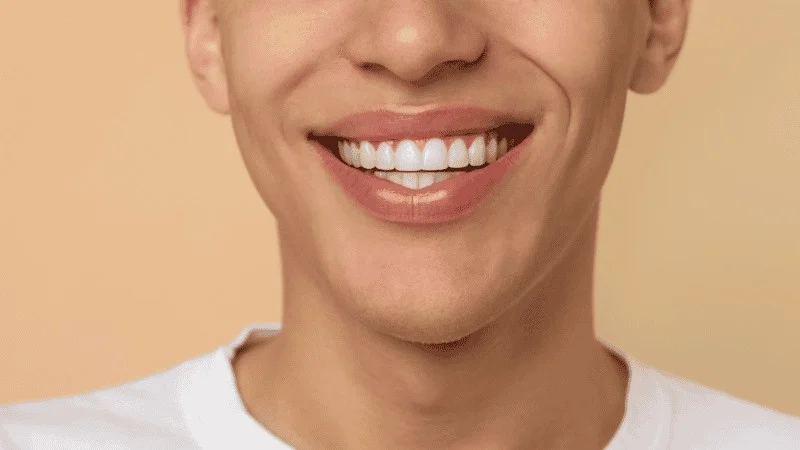
Most people show between 6 and 10 upper teeth when they smile naturally. Your smile width and tooth visibility play a major role in determining how many veneers you’ll need.
Some people have narrow smiles that only reveal four front teeth, while others have wide smiles that show 10 or more teeth.
The smile line is another key factor. This is the curve your teeth make when you smile. If your smile line extends back to your premolars, you might need more veneers to create a uniform look.
People with high lip lines may also show more gum tissue, which can affect treatment planning.
Your dentist will watch you smile and talk during your visit. This helps them see exactly which teeth need veneers for a natural result.
Smile Assessment and Design
A proper smile assessment examines your facial features, tooth proportions, and overall balance. Your dentist will look at tooth size, shape, color, and how they relate to your lips and gums.
Digital smile design tools help plan your treatment. These programs create mock-ups of your new smile before any work begins. You can see what 4, 6, 8, or more veneers would look like on your teeth.
Key assessment factors include:
- Tooth color and shade consistency
- Alignment and spacing between teeth
- Bite relationship and jaw position
- Gum health and symmetry
- Facial proportions and features
Your dentist may recommend additional treatments like gum contouring or teeth whitening before placing veneers. Missing teeth might require dental implants first, since veneers only cover existing teeth.
Personal Cosmetic Goals
Your cosmetic goals guide the final treatment plan. Some people want subtle changes while others desire a complete transformation.
If you only want to fix one chipped tooth or close a small gap, you might need just 2 to 4 veneers. Moderate cosmetic improvements typically require 6 veneers on your upper front teeth.
A full smile makeover often involves 8 to 10 veneers for uniform color and shape.
Your budget also affects your decision. You can start with fewer veneers and add more later if needed. Many patients begin with their upper teeth since these show most when smiling.
Talk openly with your dentist about what bothers you most about your smile. Be specific about whether you want whiter teeth, better alignment, or a completely different look.
This helps your cosmetic dentistry team create a plan that matches your expectations and delivers results you’ll love.
Popular Veneer Options and Combinations
Most people choose between 2 and 12 veneers depending on which teeth show when they smile and what problems they want to fix.
The number you need depends on whether you’re correcting one or two problem teeth or transforming your entire smile.



Two or Four Veneers: Targeted Enhancement
If you have one chipped tooth or want to fix just your front teeth, two or four veneers can solve specific problems without treating your whole smile. Two veneers work well for your central incisors, which are the most visible teeth when you talk or smile.
Four veneers let you cover both central and lateral incisors. This gives you a more balanced look than just treating two teeth.
The main challenge with a smaller number of veneers is color matching. Your dentist needs to match the veneers to your natural teeth, which can be hard if you have staining or discoloration on your untreated teeth.
This targeted approach costs less, typically ranging from $2,800 to $10,000 depending on the material and number of teeth.
Six or Eight Veneers: The Classic Smile Makeover
Six veneers cover what dentists call the “social six” – your six front upper teeth that show most when you smile. This is one of the most popular choices because it transforms the teeth people see first.
Eight veneers extend coverage to include your first premolars on each side. These are the teeth that become visible when you have a wider smile or laugh.
Most people get 8 veneers on their upper arch because it covers everything visible during normal conversation and photos.
The cost for six veneers typically ranges from $8,400 to $15,000. Eight veneers usually cost between $11,200 and $20,000. This package gives you a complete smile transformation without the higher cost of treating every tooth.
Ten or Twelve Veneers: Full Smile Zone Coverage
Ten veneers add both premolars on your upper arch, which helps if you have a particularly wide smile line. Some people naturally show more teeth when they smile, making this extended coverage necessary for a natural result.
Twelve veneers typically means treating your upper arch plus some lower front teeth. Your lower teeth show less than your upper teeth, but adding lower veneers creates better balance if your bottom teeth have noticeable problems.
Full smile makeovers with 10 or more veneers cost between $14,000 and $25,000 for the upper arch alone. This option works best if you want complete coverage or have alignment issues that affect multiple teeth.
Your dentist will photograph your natural smile to determine exactly which teeth need treatment.
Book your consultation today to discover the right number of veneers for your smile makeover.
Upper and Lower Veneers: Beyond the Social Six
Most people focus on their upper teeth when planning veneers, but your lower teeth can play an important role in creating a complete smile.
The decision to add lower veneers depends on how visible your lower teeth are and whether they match your newly enhanced upper arch.
When to Consider Lower Veneers
The Social Six refers to the six front upper teeth that show most prominently when you smile and talk. However, your lower teeth may also be visible depending on your facial structure and smile habits.
You should think about lower veneers if your bottom teeth show significantly when you smile or laugh. Some people naturally display more of their lower arch than others.
If your lower teeth appear discolored, worn down, or misaligned compared to your newly veneered upper teeth, the contrast can be noticeable.
Common reasons to add lower veneers include:
- Visible staining or discoloration on lower front teeth
- Uneven wear patterns from grinding
- Gaps or spacing issues between lower teeth
- Desire for complete symmetry between upper and lower arches
Most patients only need veneers on their upper teeth. Lower teeth are typically less visible during normal conversation and smiling, so they don’t always require treatment.
Balancing Upper and Lower Smile Lines
Your smile line determines how many teeth show when you smile naturally. A high smile line exposes more of your gums and teeth, while a low smile line shows less.
When your dentist evaluates your smile width and lip movement, they look at both upper and lower arches together. The goal is to create harmony between the two without over-treating areas that don’t need correction.
If you do need lower veneers, you typically won’t need as many as you have on top. Many patients get 8-10 upper veneers but only 4-6 lower veneers to cover the most visible teeth.
Your dentist will check your smile dynamics by asking you to speak, smile naturally, and laugh to see exactly which teeth appear in your smile zone.
Smile Makeover Planning and Treatment Process
Getting veneers requires careful planning that goes beyond simply choosing a number. Dentists evaluate your unique facial features, tooth structure, and goals to create a treatment plan that delivers natural results.

Smile Assessment Consultation
Your first appointment involves a detailed evaluation of your current smile. The dentist examines your teeth, gums, and bite alignment to identify any issues that need attention before veneer placement.
During this visit, you’ll discuss what bothers you about your current smile. Maybe you want whiter teeth, a more uniform shape, or better symmetry. The dentist takes photos and sometimes digital scans of your teeth.
They’ll check for problems like tooth decay, gum disease, or bite misalignment. These issues must be treated first because veneers cannot fix structural problems.
If you have missing teeth, replacement options like implants need to come before cosmetic work.
Your dentist also looks at how many teeth show when you smile naturally. Some people show six teeth, while others reveal ten or more.
Role of Smile Design in Veneer Placement
Smile design determines where veneers should be placed based on your facial proportions and natural tooth visibility. Digital tools help create a preview of your new smile before any work begins.
The dentist considers several factors during smile design. Your face shape, lip line, and gum display all affect how many veneers you need. They also look at tooth color, size, and spacing.
Symmetry plays a key role in creating an attractive smile. If you only treat four front teeth but show eight when smiling, the color difference between treated and untreated teeth will be obvious.
That’s why dentists often recommend treating all visible teeth for the best match.
Planning for a Full Smile Makeover
A full smile makeover combines multiple treatments to address all your cosmetic concerns at once. Your dentist creates a step-by-step plan that may include teeth whitening, gum contouring, or orthodontics along with porcelain veneers.
The planning phase includes creating a timeline for your treatment. Some procedures need to happen in a specific order. For example, any restorative work comes first, followed by cosmetic treatments.
Your dentist will show you treatment options based on your budget and goals. They’ll explain how many veneers you need and why that number makes sense for your smile.
Most comprehensive makeovers use eight to ten veneers on upper teeth, though your needs may differ.
You’ll also discuss veneer materials and preparation methods. Porcelain veneers require some enamel removal, while minimal-prep options preserve more tooth structure.
Other Cosmetic Dentistry Solutions and Considerations
If veneers don’t fit your budget or dental needs, dental bonding and Invisalign offer effective ways to improve your smile.
Planning for the cost and maintenance of any cosmetic treatment helps you make a smart choice for your long-term oral health.
Alternatives: Dental Bonding and Invisalign

Dental bonding uses a tooth-colored resin material that your dentist applies directly to your teeth. It can fix small chips, close minor gaps, or cover stains. The process usually takes one visit and costs much less than veneers.
Bonding typically lasts 3 to 10 years with proper care. It’s not as durable as porcelain veneers and can stain over time. However, it’s a good option if you want to improve your smile but don’t necessarily have the budget for a full row of veneers.
Invisalign straightens your teeth using clear plastic aligners. If your teeth are crooked or crowded, Invisalign can fix alignment issues without metal braces. Treatment usually takes 12 to 18 months depending on your case.
You can combine Invisalign with other cosmetic dentistry options. Some people straighten their teeth first, then add veneers or bonding for a complete transformation.
Long-Term Care and Budget Planning
Veneers cost between $900 and $2,500 per tooth. Most dental insurance plans don’t cover cosmetic procedures, so you’ll need to plan for the full expense.
Many dental offices offer payment plans that let you spread the cost over several months. Ask about financing options during your consultation.
Veneers last 10 to 15 years or longer with good care. You’ll need to brush twice daily, floss regularly, and avoid biting hard objects. Regular dental checkups help catch any issues early.
Budget for potential replacements down the road. While veneers are durable, they may need repair or replacement eventually. Professional whitening for your natural teeth might also help everything blend together as time passes.
Frequently Asked Questions
Most people need between 4 and 10 veneers depending on their smile width and goals, though some patients choose veneers for just the upper teeth while others opt for both arches.
Veneers typically last 10 to 20 years with proper care, but not everyone qualifies for this treatment due to dental health requirements.
How many veneers are typically needed for a full-mouth smile makeover?
A complete smile makeover might include 8 to 10 veneers on the upper teeth and 6 to 10 veneers on the bottom teeth. Most patients don’t need veneers on every tooth, just the ones that show when you smile or talk.
The exact number depends on your smile line and how many teeth are visible. Someone with a narrow smile might need fewer veneers than someone who shows more teeth when they smile.
Is it common to get veneers on both the top and bottom teeth?
Many people choose to get veneers only on their upper teeth since these are the most visible when you smile. Your lower teeth typically show less during normal conversation and smiling.
However, some patients do opt for veneers on both upper and lower teeth for a complete transformation. This decision depends on your specific goals and which teeth are visible when you speak and smile.
How many veneers do most people choose for just the front teeth?
The “social six” is a popular option that covers your six upper front teeth. These are the teeth that show most prominently when you smile and interact with others.
Some people extend this to 8 veneers to include the teeth next to the social six. This creates a wider, more complete look that covers most of what people see when you smile broadly.
What’s the difference in look between getting 4, 8, or 10 veneers?
Four veneers typically cover just your four front teeth, creating a centered but limited change. This works if you only need to address specific problem teeth in the very front of your mouth.
Eight veneers extend further to include the teeth on either side of your front four. A wider smile might need 10-12 veneers for a complete transformation that covers all visible teeth when you smile.
The more veneers you get, the more comprehensive your smile makeover will look. Fewer veneers can sometimes create an obvious contrast between treated and untreated teeth.
What are the main reasons someone might not be a good candidate for veneers?
You need healthy teeth and gums before getting veneers. Active gum disease or severe tooth decay must be treated first.
People who grind their teeth heavily at night may not be good candidates since this can damage veneers. If you have very little natural tooth structure remaining, other treatments might work better for you.
Veneers require removing a thin layer of tooth enamel, so this treatment is essentially permanent. You’ll always need some type of covering on those teeth going forward.
What can you expect from veneers after 10 to 20 years of wear?
Veneers typically last 10 to 20 years with proper care and maintenance. After this time, they may need to be replaced due to normal wear and tear.
Your veneers can chip, crack, or become discolored over time depending on how well you care for them. Regular dental checkups help catch any issues early.
Good oral hygiene and avoiding habits like biting hard objects can help your veneers last longer. Many people get their veneers replaced or updated after 15 years to maintain their smile.